
Views: 0 Author: Site Editor Publish Time: 2026-01-28 Origin: Site


A balanced, nutrient-dense diet plays a vital role in supporting canine cardiac function. Below are heart-healthy food categories and recommended options, along with key feeding guidelines.
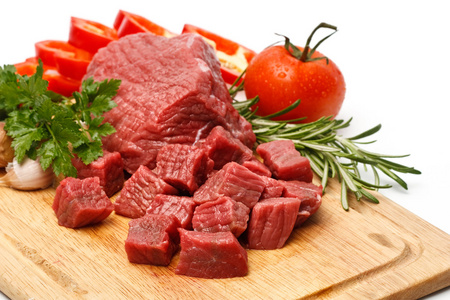
Lean meats: skinless chicken breast, lean beef, lean pork, turkey
Dairy: low-fat plain yogurt, cottage cheese (in small amounts, for dogs not lactose intolerant)
Feeding note: Always cook thoroughly, remove bones and excess fat; avoid seasoned, smoked or processed meats.
Feeding note: Cook and mash or chop into small pieces; introduce gradually to avoid digestive upset. Do not replace main meals.
Vitamin C & E: blueberries, strawberries, bell peppers, broccoli, spinach
Mineral & antioxidant boosters: walnuts, salmon, sardines (rich in omega-3 fatty acids, which also support heart health)
Feeding note:
Walnuts: give only plain, unsalted, crushed in tiny amounts (high in fat).
Berries: in moderation, as too much may cause loose stools.
These foods are supplements, not replacements — always base the diet on a complete and balanced commercial dog food formulated for your dog’s age and health condition.
If your dog has been diagnosed with heart disease, kidney issues, or obesity, consult a veterinarian before adding any new foods, especially those rich in protein, fat, or minerals.
Avoid toxic foods: onions, garlic, grapes, raisins, chocolate, xylitol, salted or spicy foods — all are dangerous to dogs.
For breeds predisposed to heart disease (e.g., Cavalier King Charles Spaniels, Dachshunds, Boxers), regular cardiac checkups are more important than diet alone.


