Dogs are known as the first domesticated animals by humans, evolved from wolves. There are over 300 dog breeds worldwide (per different statistics). This guide focuses on introducing common breeds, helping you understand more about man’s best friend.
I. Small Dog Breeds
1. Poodle
Commonly known as "Teddy" (a grooming style, not a separate breed). Poodles come in various coat colors and sizes, with lively personalities, excellent jumping skills, and high IQ. They are gentle and affectionate but timid, needing plenty of companionship to avoid loneliness.
Care Tips: Control salt intake (excess salt causes tear stains, coat fading, and earwax buildup); their skin is sensitive. Puppies are prone to front limb fractures, so avoid strenuous jumping.
2. Shiba Inu
Originating from Japan, Shiba Inus have diverse coat colors, unique "airplane ears," and a healing smile. They are energetic, alert, loyal to owners, obedient, and patient, with strong territorial awareness—but they shed heavily.
Care Tips: They are clean, so brush their fur and bathe regularly (once a week in summer, once every 10 days in autumn). Their stomachs are fragile; feed high-quality, age-appropriate dog food. Ensure adequate exercise (walks, interactive toys).
3. Bichon Frise
An ancient breed from the Mediterranean, usually white-coated. Bichon Frises are small, lively, cheerful, smart, brave, alert, and emotionally rich, with strong adaptability.
Care Tips: Main diet is meat, mixed with dry food or biscuits (soaked in water). Their fluffy white coat doesn’t shed much but needs regular trimming.
4. Pomeranian
Named after Pomerania (border of Poland and Germany), weighing 1.36–3.18kg. Common coat colors: yellow and white. They have a small fox-like face, fluffy fur, and a thick neck mane, looking very cute. Pomeranians are happy, lively, and adaptable to apartments or large homes—they love cuddling with owners but also playing outdoors.
Care Tips: Fragile bones (prone to fractures); supplement calcium regularly.
II. Medium Dog Breeds
1. Border Collie
Ranked #1 in dog IQ—they learn new commands in less than 5 repetitions on average, with a 95% obedience rate, and cognitive ability equal to a 6–7-year-old child. Border Collies are extremely energetic, needing 1.5–2 hours of high-intensity exercise daily (running, frisbee, agility training). Without enough exercise, they may become destructive (e.g., chewing furniture).
Care Tips: Common coat color is black and white; long double coat sheds heavily. Brush 2–3 times a week (daily during shedding season).
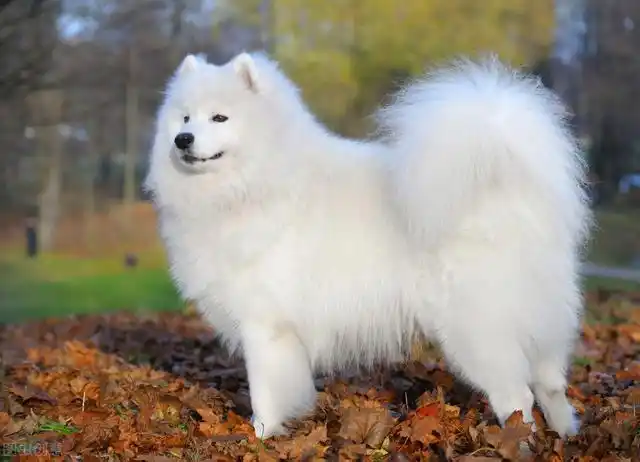
2. Samoyed
Known as a "social angel" with a iconic healing smile, one of the "Three Silly Sled Dogs." Samoyeds are gentle, friendly to family and strangers, with low aggression—excellent family companions. They have thick shiny fur, strong limbs, almond-shaped clear eyes, and upright thick ears.
Care Tips: Heat-intolerant (need air conditioning in summer); sensitive stomachs—ensure balanced nutrition.
3. Corgi
A medium-small guard dog with short legs, long body, and charming "plush butt." Corgis are friendly, energetic, loyal, and clingy—typical "followers" who crave participating in family activities. They have upright ears and a round face.
Care Tips: They are food lovers, but obesity worsens spinal and joint burdens—strictly control diet and weight.
III. Large Dog Breeds
1. Labrador Retriever
One of the most popular all-purpose family and working dogs. Labradors are naturally friendly, gentle, and tolerant—kind to family, kids, and strangers, with almost no aggression. They are highly attached to owners, ranked #6 in dog IQ, easy to train, and widely used as guide dogs. As retrievers, they are energetic ("perpetual teenagers")—needing plenty of exercise (running, swimming, playing) to avoid destructive behavior.
2. Golden Retriever
Commonly known as "Golden," a popular family dog. With a warm, honest personality and iconic smile, they are called "big warm guys in the dog world." Ranked #4 in dog IQ, they are fast learners and obedient—excellent guide dogs or working dogs. Adult Goldens are large and well-proportioned but heat-intolerant (prone to heatstroke above 35°C).
Care Tips: Double coat sheds year-round (heavily during shedding season); brush daily. Dry fur thoroughly after bathing to prevent skin diseases.
3. German Shepherd (GSD)
Also known as "Black Back," widely used as military, police, and search-and-rescue dogs. GSDs are tall, powerful, with strong bones and limbs, ranked #3 in dog IQ. They are extremely loyal to family, with strong protective awareness—alert to strangers (needs early socialization training). Bred for high-intensity work, they have endless energy—needing 2+ hours of daily exercise and mental stimulation to avoid behavioral issues.
4. Siberian Husky
A sled dog breed with amazing stamina and high exercise needs. Huskies look like wolves (cool appearance) but have lively, occasionally silly personalities ("Er Ha" in Chinese slang). They are intelligent but independent (have their own ideas), friendly to family and strangers—no guard instinct, not suitable for home security.


