
Views: 0 Author: Site Editor Publish Time: 2026-03-27 Origin: Site


Grooming is critical to your dog’s health, not just appearance. This dog grooming guide covers brushing, bathing, nail trimming, and dental care—essential for pet hygiene, preventing skin issues, early health detection, and bonding. Understanding grooming frequency and proper techniques ensures your dog thrives, whether you’re a new or experienced pet parent.
Brushing is foundational to any dog grooming guide, with techniques tailored to coat type. It removes loose fur, prevents matting, distributes natural oils, and stimulates skin. Here’s how to brush effectively:
Short-Haired Breeds (e.g., Beagles, Boxers): Brush 2-3 times weekly with a rubber or bristle brush, following fur growth. This maintains pet hygiene and reduces shedding.
Medium-Haired Breeds (e.g., Cocker Spaniels, Border Collies): Brush 3-4 times weekly with a slicker brush or undercoat rake. Focus on high-matting areas (chest, armpits, ears) to prevent tangles.
Long-Haired Breeds (e.g., Golden Retrievers, Shih Tzus): Daily brushing with a slicker brush and metal comb (start at ends) prevents painful matting. Use detangling spray for curly coats.
Brush your dog when calm, offer treats, and stop if they’re stressed. Regular brushing boosts pet hygiene and reduces shedding.
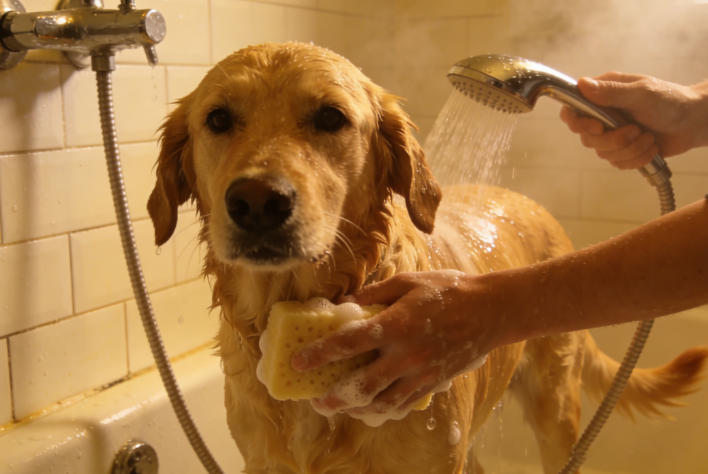
Bathing is key to pet hygiene, but done incorrectly can dry skin or cause stress. Follow these dog bathing tips:
Use dog-specific shampoo (human shampoo is harsh); hypoallergenic/oatmeal for sensitive skin. Brush thoroughly first to prevent matting when wet.
Fill a tub with warm water (test with your wrist). Wet your dog’s coat (avoid eyes/ears), lather shampoo from neck to tail, and rinse fully. Towel-dry, then use a low-heat blow dryer for long-haired breeds.
Nail trimming is vital for pet hygiene and comfort. Overgrown nails cause pain, infection, or mobility issues. Here’s how to trim safely:
Use a dog-specific clipper (size-matched to your dog). Locate the quick (pink part with blood vessels/nerves); trim small amounts for dark nails to avoid cutting it.
Ear care is critical for pet hygiene, especially for floppy-eared or long-haired dogs (prone to infections from dark, moist ears).
Clean ears weekly (or as vet-recommended) with dog-specific cleaner (avoid cotton swabs). Lift the ear flap, squirt cleaner, massage 30 seconds, let your dog shake, then wipe the outer ear.
Dental hygiene is often overlooked but vital for pet hygiene. Poor care causes bad breath, gum disease, tooth loss, and organ damage. Keep teeth clean with these steps:
Brush daily with dog-specific toothbrush/toothpaste (human toothpaste is toxic). Focus on outer teeth; use dental chews/toys for resistant dogs.
This dog grooming guide helps you choose between home and professional care. Home grooming is great for bonding and short-haired breeds with simple needs.
Grooming supports your dog’s health and happiness. This dog grooming guide covers brushing, dog bathing tips, nail/ear/dental care, and pro vs. home care. Stick to consistent grooming frequency for a clean, healthy pup.


