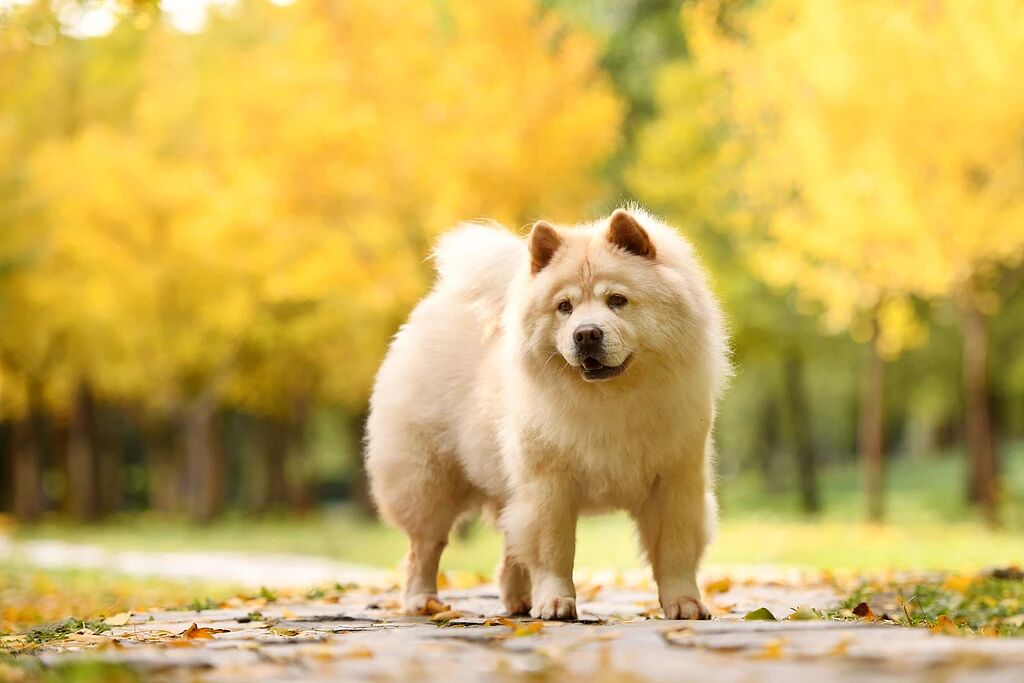
On social media, the "fatter" a pet is, the more popular it becomes. A pet’s round figure is a traffic magnet, a source of comfort, and a reason for thousands of likes. However, behind those viral cute pet videos and photos lies an overlooked truth: the "fat = cute" aesthetic we chase is putting pets at risk of silent health crises from being overweight—from joint wear and tear, cardiopulmonary strain to metabolic disorders.
When "cuteness" becomes the number one enemy of health, it’s time to rethink how humans express love.
While social media tags these round pets as "therapeutic," Dr. Liu Lang, a veterinarian with 30 years of experience, disagrees. A graduate of China Agricultural University with a doctoral degree in veterinary medicine, Dr. Liu is a clinical vet.
Clinically, the fattest dog Dr. Liu has ever treated was a 30-kilogram Corgi—twice the weight of a normal Corgi: "It could barely walk. Excessive joint load caused severe wear, leading to a much higher risk of degenerative osteoarthritis and painful movement." Additionally, thick chest fat restricted thoracic expansion, making it unable to breathe normally, resulting in oxygen deficiency and heart problems.
Overweight cats and dogs may bring "comfort" to humans, but the pets themselves face serious health issues. Beyond arthritis and heart disease, pet overweight or obesity can trigger over 20 conditions, including hypertension, diabetes, fatty liver, and endocrine disorders.
Pet obesity is a global phenomenon. According to the "Special Survey on Pet Weight Status" released by pet industry media Chongyejia, 20% to 30% of domestic cats and dogs are overweight or obese. Globally, experts estimate that 1 in 3 household pets faces overweight-related health risks.
Another study shows that both cat and dog owners tend to underestimate their pets’ obesity levels. He Jun, President of the Professional Trainers Branch of the Beijing Small Animal Protection Association and founder of Tiaoliang Pet Professional Training Institution, believes: "Most domestic cats are overweight." Anyone who has touched the chubby belly of their own or a friend’s cat can’t refute this.
Breeds like Pugs, French Bulldogs, and English Bulldogs are born with short respiratory tracts, unsuitable for prolonged exercise, and are notoriously prone to obesity. Additionally, short-legged and long-backed Corgis and Dachshunds, food-loving Beagles, high-energy German Shepherds and Golden Retrievers, and the famous "fat orange cats" are all prone to putting on weight.
Who would have thought that Labradors being called "Labrapigs" has a scientific basis? A team led by Eleanor Raffan, a veterinarian and geneticist at the University of Cambridge, found that 1 in 4 Labradors carries an obesity-related gene mutation. Each Labrador with a POMC mutation weighs 2 kilograms more than its peers. This is because the POMC mutation disrupts the leptin-melanocortin pathway in the brain, which regulates food intake and energy expenditure, making food cravings irresistible. It seems "Labrapigs" are destined to be fat—they lost at the starting line.
Beyond genetics and breed factors, most pet obesity is related to owners’ feeding habits. Similar to human obesity, "it all comes down to diet and exercise," He Jun said. In terms of diet, feeding pets human food, excessive snacks, or staple food with high fat content can lead to excessive calorie intake.
"In 2018, we noticed a clear trend: more and more pet food brands were competing on metrics rather than meeting actual nutritional needs. For example, 30%+ protein was once considered high, but later some brands pushed it to 40%, 45%, or even higher—same with fat content," Liu Donghao analyzed. "In fact, this is harmful to cats and dogs in the long run. It not only burdens their intestines but also causes weight gain."
Ordinary pets don’t need strict "military-style" diets, but "buffet-style" unlimited feeding is more likely to cause obesity. Compared to dogs, many cat owners lack the habit of fixed-time, fixed-quantity feeding. Those seemingly slow-eating kittens unknowingly consume more calories than they burn, leading to increasingly round bellies.
Compared to their wild ancestors, insufficient exercise is common for domestic cats and dogs. "Adult dogs sleep 14-18 hours a day. In the wild, they would be active outdoors for at least 6-10 hours," He Jun said. Clearly, this is far from how urban office workers raise dogs. If dogs are only taken out briefly morning and evening to use the bathroom and spend the entire day waiting for their owners at home, their exercise needs are not met—which is also the root cause of behavioral problems in most dogs.
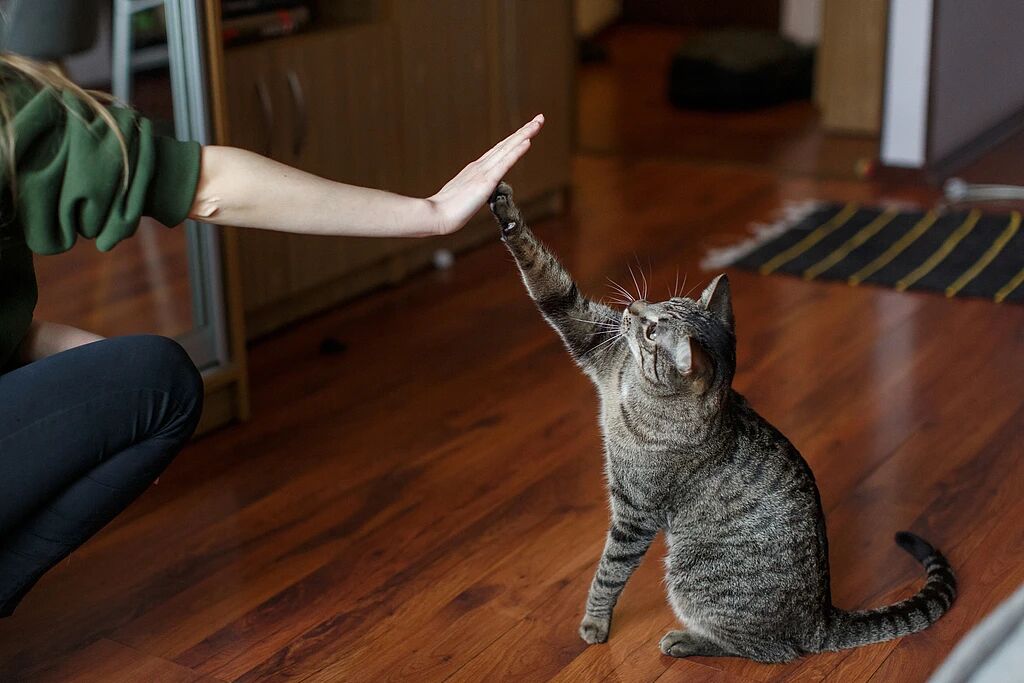
"Dogs follow their owners—it’s quite accurate. If the owner doesn’t like exercising, the dog won’t either because it has no chance to go out," Dr. Liu said. His observation is supported by foreign research: there is a significant correlation between a dog’s weight and its owner’s BMI. Interestingly, no such correlation exists between cats’ weight and their owners’.
On a deeper level, "pets resemble their owners" reflects the profound bond between humans and pets. For example, a pet’s figure is closely related to the owner’s aesthetic preferences. "Many pet owners only care about appearance—they get a pet because they think it’s cute. At this stage, they may spoil it excessively and blindly satisfy its needs. Many still believe that being fat means being well-raised," Liu Donghao said.
Before starting his business, Liu Donghao was an avid enthusiast of working dogs: "I’ve had dogs since I can remember—Kunming Dogs, German Shepherds, Belgian Malinois, Rottweilers, even Pit Bulls." After being exposed to dog shows and professional kennels, he was impressed by the "beauty of movement and figure" of these dogs and began figuring out how to train dogs to have better physiques. The original intention of founding his brand is to produce high-fiber products that increase satiety without excessive protein and calories.
Some pet owners pursue "chubby cheeks" and deliberately overfeed their pets. The preference for "plump" pets is also popular among the parents of young pet owners. "We call them the pets’ ‘grandparents.’ Their mindset is just like treating children—they think the more a pet eats, the better, and being chubby means being healthy," He Jun said.
Tiaoliang Pet, founded by He Jun, is one of the first institutions in China to introduce positive training concepts, advocating training dogs through rewards. "The core of positive training is to reward correct behavior and ignore incorrect behavior. In fact, right and wrong are complex concepts—animals don’t understand them. They don’t think something is wrong; they learn through seeking benefits and avoiding harm."
In He Jun’s view, pet obesity has deep psychological roots. He believes that for Chinese people who grew up through hardships, love is often expressed through material means—first and foremost, "eating well." Most owners are too busy during the day to accompany their pets, and a sense of compensation drives them to satisfy their "fur babies" more in terms of basic material needs.
But in reality, "many owners may not understand what their dogs truly need." This lack of understanding, even with good intentions, often causes stress for dogs. Like humans, some dogs overeat due to stress, which also leads to obesity.
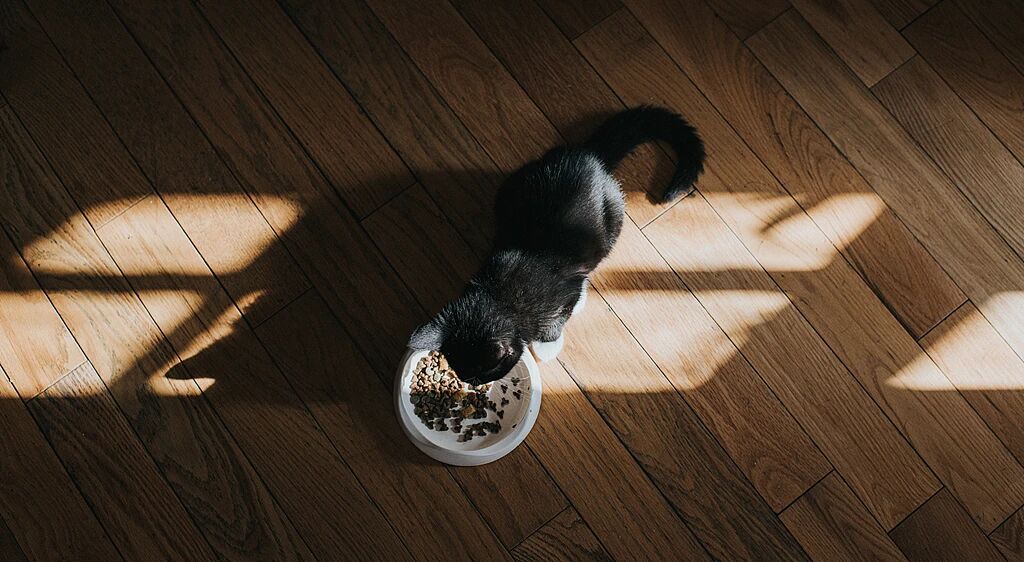
What do pets really need? The answer to this question may be the key to solving pet obesity.
"70-80% full, fixed-time feeding, fixed-quantity feeding, time-limited feeding." This is Liu Donghao’s weight loss feeding method. In fact, there are different theories about "scientific feeding"—some experts believe pets should only eat professional commercial food, while others suggest more diverse feeding methods.
Regardless, for overweight or obese pets, reducing calorie intake under a doctor’s guidance is a priority. Low-fat prescription food may be necessary if needed.
To address the issue of urban office workers being unable to meet their dogs’ exercise needs, He Jun recommends toy-based feeding to make the process of obtaining food fun. "Obtaining food by solving problems is a very important part of their lives—just like the difference between eating sunflower seeds with shells and pre-shelled ones for you." Additionally, snuffle mats can be used. 15 minutes of sniffing is equivalent to 40 minutes of walking, which itself can consume a lot of the dog’s energy.
If you don’t want a naughty cat that runs around at night or a lazy fat cat, experts suggest cat owners use feather wands to stimulate their cats’ natural vitality. Persist for more than 30 minutes a day, preferably in three sessions: after waking up, after eating, and in the evening. Isn’t it also a kind of "beauty of movement" to watch cats chase, jump, and move around with all their strength?
In the future, pet weight loss drugs similar to semaglutide may be put into use. Currently, some pet weight loss drugs have entered clinical trials abroad, while in China, they are still in the approval stage. Perhaps soon, weight management will be included in basic pet health care alongside vaccinations and deworming.


